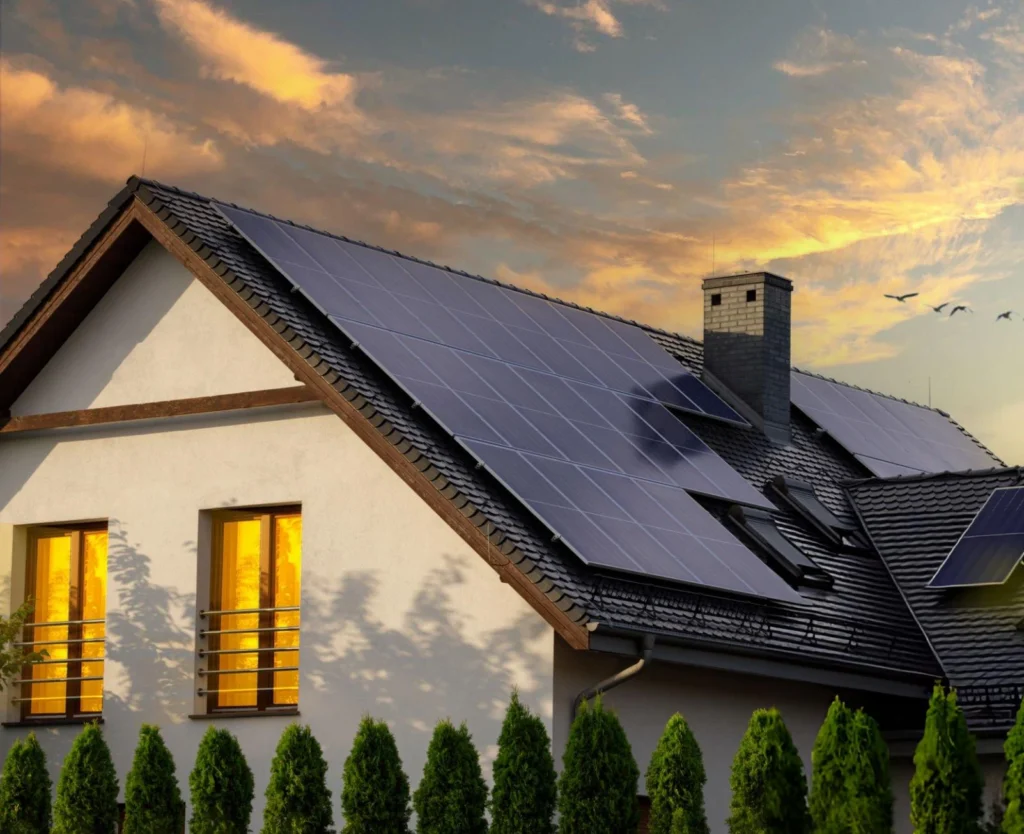

For many South Miami homeowners, solar is no longer only about reducing daytime electricity use. It is also part of a broader plan for dependable power, battery backup, and greater control during outages. SoFlo Solar provides solar repair and services that begin with the system already in place. Before recommending storage or upgrades, the team reviews production, inverter capability, electrical service, monitoring, and household priorities. A system that looks functional may still have communication gaps, reduced output, or equipment limitations that affect future expansion. By identifying those issues first, homeowners can make better decisions about repair, battery capacity, and essential-load planning. The result is a clearer path forward, whether the immediate need is restoring lost production, improving backup capability, or preparing the home for changing energy demands.
Battery systems are most useful when they are planned around how the household actually uses electricity. In South Miami, FL, that may mean keeping refrigeration, internet, lighting, medical equipment, fans, and selected outlets available during an outage. It may also mean reducing evening grid use or creating more flexibility during utility interruptions. SoFlo Solar evaluates the existing solar system, panel capacity, inverter type, electrical layout, and backup priorities before discussing battery options. Not every home needs the same storage size, and whole-home backup is not automatically the best solution. A carefully defined essential-load plan can provide meaningful resilience without oversizing the system. Where broader backup is appropriate, the design must still account for high-demand appliances and realistic runtime. Good battery planning starts with household needs, not a product list.
Adding new equipment to an underperforming solar array can make an existing problem harder to diagnose. That is why SoFlo Solar checks current system health before recommending expansion. A homeowner may be considering more panels or storage because utility bills have risen, but the real issue could be a failed inverter channel, disconnected monitoring, shading, wiring damage, or a component that is no longer producing. In South Miami, FL, a performance review establishes whether the existing array is delivering what it should. If repairs are needed, they can be addressed first. If the system is healthy but no longer meets household demand, expansion can be planned from a reliable baseline. This sequence protects the owner from investing in new equipment while older problems remain unresolved and helps ensure that future upgrades work as intended.
Monitoring should give homeowners confidence, but only when the data is complete and accurate. Missing readings, delayed updates, unexplained production gaps, or repeated communication alerts can make a healthy system look faulty or hide a real issue. SoFlo Solar helps South Miami homeowners restore monitoring access, interpret production patterns, and connect data with on-site conditions. Maintenance can include checking accessible electrical equipment, examining visible wiring and mounting areas, reviewing inverter status, and assessing whether debris or shading is affecting the array. These reviews are especially helpful before hurricane season or after severe weather. Early attention to unusual patterns can prevent a small issue from becoming a prolonged outage. It also gives homeowners a clearer record of how the system is performing from season to season.
Solar ownership changes over time. Equipment ages, energy use increases, roofs need work, batteries become more attractive, and original installers may disappear. SoFlo Solar gives South Miami homeowners one place to address those changes without treating every situation as a new installation sale. The team works on existing systems, orphaned arrays, monitoring problems, inverter faults, battery planning, maintenance, and removal and reinstall projects. Recommendations are based on what the home needs now and what the current equipment can support. Some owners need a focused repair. Others need a staged plan that begins with diagnostics and leads to storage or system expansion later. This flexible, service-oriented approach helps homeowners protect current production while making practical decisions about future energy resilience.
Frequently Asked Questions
Runtime depends on battery capacity, the circuits selected for backup, appliance demand, and whether solar is available to recharge the battery. A load review can estimate how long essentials such as refrigeration, lighting, internet, and selected outlets may remain powered.
Yes, if the system is underperforming or showing faults. Battery integration should begin with a healthy, well-understood solar system so existing production problems do not reduce charging performance or complicate the new installation.
It can in some designs, but central air has a high electrical demand and may require larger storage, compatible equipment, or load-management controls. Many homeowners choose to prioritize essential circuits and selected cooling rather than backing up every load.
Alerts can indicate communication loss, inverter faults, reduced production, grid issues, or temporary interruptions. The alert message and production history should be reviewed together before deciding whether the problem requires on-site service.
Yes, after reviewing the existing equipment, permits where relevant, roof space, electrical capacity, and system compatibility. The assessment determines whether expansion is practical and what changes may be required for safe, reliable operation.